About Commercial Roofers of Springfield
- HOME
- ABOUT US
Commercial Roofers of Springfield serves commercial property owners, managers, facilities teams, general contractors, institutions, and public agencies across Springfield, Greene County, and surrounding Ozarks communities. We assess existing conditions, explain practical repair and replacement paths, and build scopes around the way the property must continue operating during roofing work.
JUMP TO...
Field-first assessment
Commercial Roofers of Springfield reviews the roof as a working building system. Membrane condition, insulation, deck, drainage, penetrations, rooftop equipment, edge metal, access, occupied-space protection, phasing, and warranty requirements are documented together so the scope is clear before crews mobilize.
A useful roofing proposal should make the important decisions visible: where water is entering, what moisture is trapped, whether the deck needs repair, how insulation and drainage should be handled, what penetrations and edge details require work, how occupants and equipment will be protected, and which maintenance or warranty requirements continue after closeout.
Vision
Scope before system
Mission
Compare repair, recover, coating, and replacement paths against deck condition, drainage, warranty requirements, operations, and budget.
Way
Document the roof system, access plan, phasing, safety controls, and closeout requirements before crews mobilize.
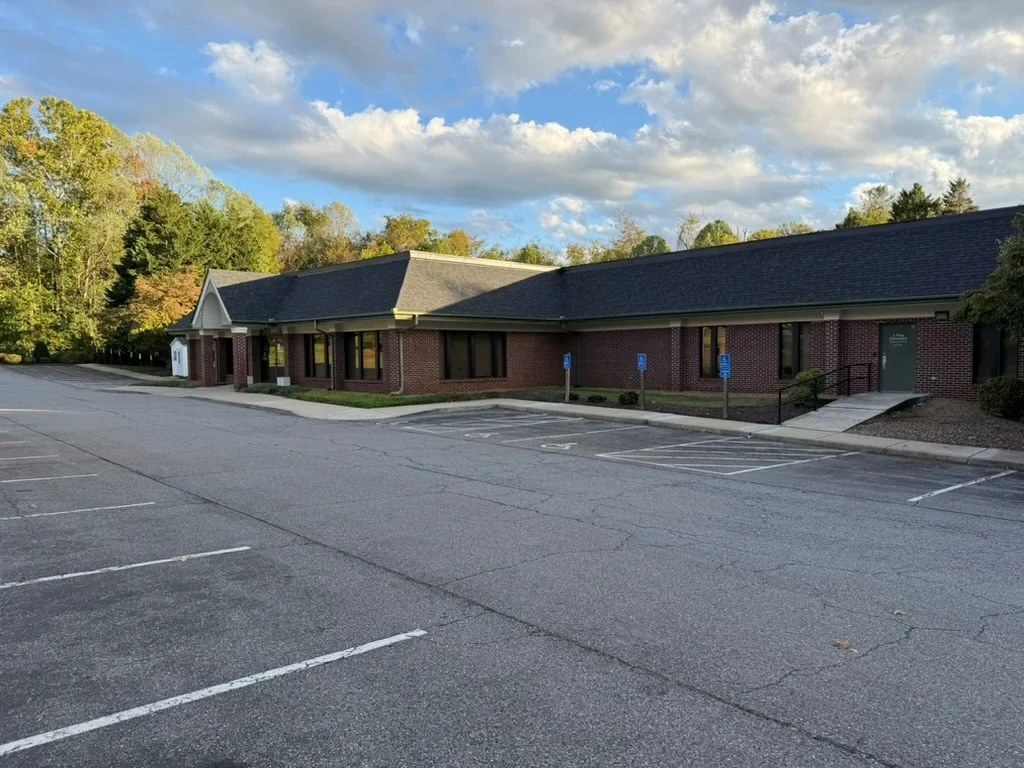
Occupied-building planning
A useful roofing proposal should make the important decisions visible: where water is entering, what moisture is trapped, whether the deck needs repair, how insulation and drainage should be handled, what penetrations and edge details require work, how occupants and equipment will be protected, and which maintenance or warranty requirements continue after closeout.
Closeout records that remain useful
Photos, approved details, warranty records, maintenance expectations, and follow-up priorities are organized so the facilities team has a useful roof record after the project is complete.
A clean closeout keeps the next inspection, repair decision, and budget conversation grounded in what was actually found and installed.